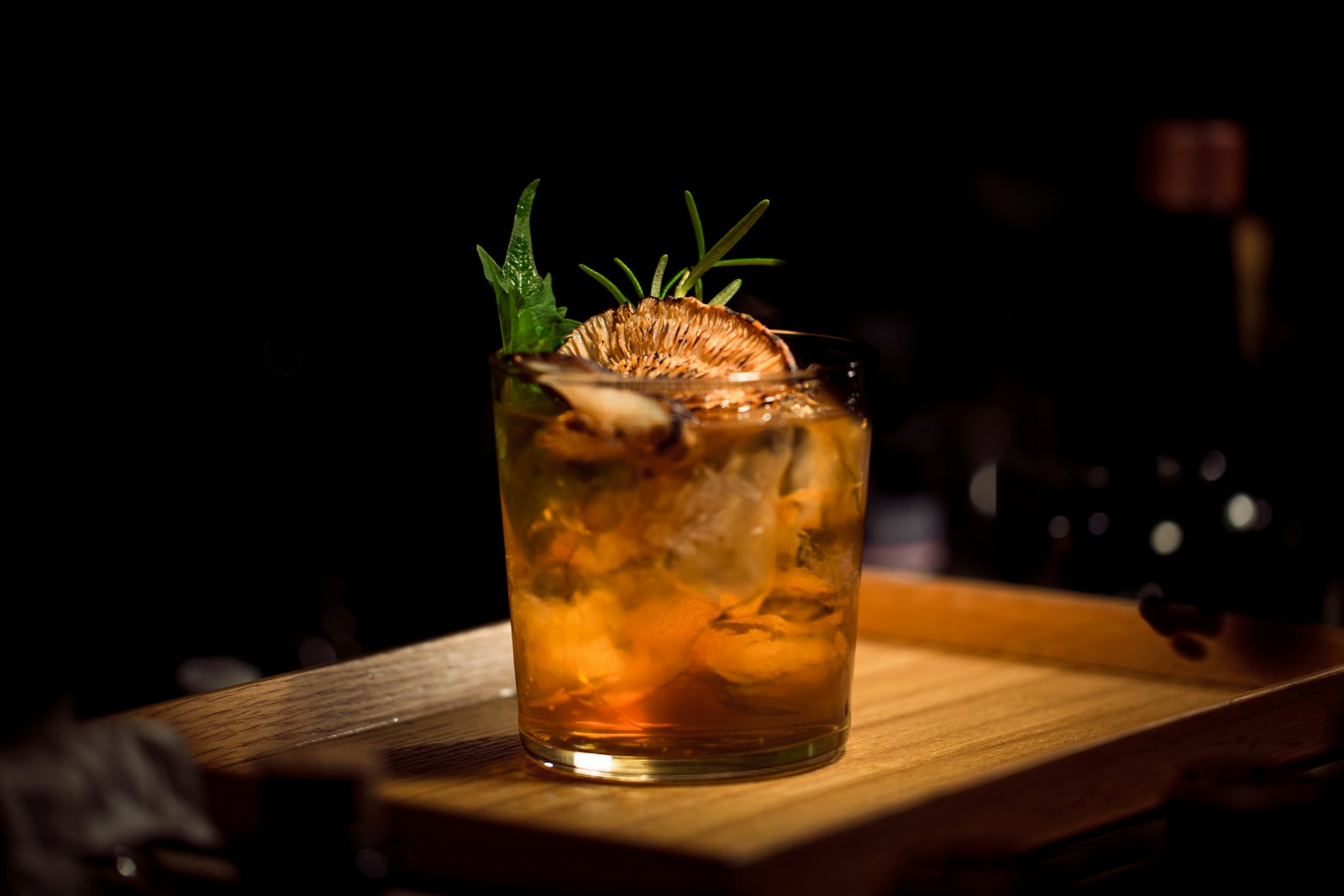
A proper mojito is not a hard drink to make. It is, however, an easy drink to ruin. Too much mint and it tastes like lawn clippings. Too much sugar and it collapses into a sticky soda. The wrong rum and you've built the whole thing on a bad foundation. Get the small things right, though, and you have one of the most elegant three-ingredient cocktails in the world.
This is the mojito as it's served at La Bodeguita del Medio in Havana — the bar that claims to have invented it, the bar Hemingway supposedly drank at (we'll come back to that), and the bar that still sets the standard almost a century later. No muddling the mint into oblivion. No fruit purées. Just rum, lime, sugar, mint and soda, in the ratio that has made grown men weep since the 1940s.
A brief history of a cocktail that keeps rewriting itself
The mojito's ancestry stretches back to the sixteenth century, when English privateer Sir Francis Drake's men reportedly mixed aguardiente de caña — a rough early rum — with lime, sugar and mint to combat scurvy and dysentery. That proto-mojito, called El Draque, was medicine first and pleasure second. Over the next three hundred years Cuban bartenders refined the rough edges, swapped aguardiente for cleaner white rum, and turned a sailor's remedy into a national cocktail.
By the 1930s, the drink had settled into its modern form at La Bodeguita del Medio in Old Havana, where the house ratio was simple and the famous sign above the bar read, in Hemingway's alleged handwriting: Mi mojito en La Bodeguita, mi daiquirí en El Floridita. Scholars have since argued about whether Hemingway ever actually wrote it, but the mojito's reputation never looked back.
The authentic ratio: what really goes in
A classic Cuban mojito is five ingredients and almost nothing else. The specifications matter more than the technique, so get the proportions right first and everything else follows.
Classic Cuban Mojito
Ingredients
- 2 oz white Cuban-style rum (Havana Club 3 Año if you can find it; Bacardi Superior or Flor de Caña 4 as excellent alternatives)
- 1 oz fresh lime juice (about half a juicy lime)
- 2 tsp white cane sugar (not simple syrup — see below)
- 8–10 fresh spearmint leaves, plus 1 small sprig for garnish
- Chilled club soda, to top (about 2 oz)
- Crushed or cracked ice
- Lime wedge, to garnish
Instructions
- Place the sugar and lime juice in a tall Collins glass. Stir briefly with a bar spoon until the sugar begins to dissolve.
- Add the mint leaves. Press them very gently against the side of the glass with the back of your bar spoon — just three or four light presses. You're releasing oils, not pulverizing leaves.
- Pour in the rum and give everything one quick stir to integrate.
- Fill the glass with crushed ice almost to the top. Stir gently from the bottom with a bar spoon for about five seconds to lift the mint through the drink.
- Top with cold club soda, leaving about a half-inch of room. Do not stir again.
- Garnish with a fresh mint sprig (slap it once between your palms to wake it up) and a lime wedge. Serve with a straw.
Mistake #1: Over-muddling the mint
This is the single most common mojito crime. Mint leaves are delicate. The flavor you want lives in the oils on the surface of the leaf, not in the chlorophyll inside. When you grind mint with a muddler, you release bitter, grassy compounds that turn the drink astringent and cloudy.
The correct technique is often called pressing rather than muddling. Three to four gentle taps with the back of a bar spoon or a wooden muddler — enough to bruise the leaves, not to shred them. If your drink looks like pond water, you went too hard.
Mistake #2: Reaching for the wrong rum
A mojito is a showcase for rum, not a drink that hides it. You want a light-bodied, dry white rum with a hint of grassy character — the kind of rum that leaves room for the lime and mint to do their work. Havana Club 3 Año is the Cuban reference point. Outside Cuba, Bacardi Superior and Flor de Caña 4 Año are both excellent and widely available.
What you don't want: an aged, oaky rum (the vanilla notes fight the mint), a sweetened spiced rum (way too much sugar in play), or a heavy pot-still rum (the funk overwhelms everything). Save those for other drinks. The mojito is a clean-rum cocktail.
Mistake #3: Using simple syrup — or worse, powdered sugar
This is a debate that gets Cuban bartenders agitated. Many modern bars default to simple syrup because it integrates faster, but the traditional method uses granulated cane sugar dissolved in the lime juice. Why does it matter? Because a few undissolved sugar granules act as a mild abrasive against the mint leaves when you press them, releasing more oil without needing to crush the leaves. It's a small thing. It makes a real difference.
If you must use syrup, make a 1:1 simple syrup with real cane sugar and use roughly three-quarters of an ounce. Powdered sugar, meanwhile, is a hard no. The cornstarch in confectioners' sugar muddies the drink and leaves a pasty texture on the palate.
Mistake #4: Filling with ice before you build
If you dump ice into the glass before the sugar dissolves, the sugar will seize against the cold and sit undissolved at the bottom of your drink for the next twenty minutes. Build the base first — sugar, lime, mint, rum — then add ice. The order matters.
Crushed ice is traditional and ideal because it chills fast and keeps the drink diluted at the right rate. Cracked ice works almost as well. Avoid giant cocktail-bar single rocks here; they don't dilute enough and the mojito needs a little water to open up.
Mistake #5: Treating the soda like filler
Club soda is the last ingredient, but it's not an afterthought. Use a quality brand — Fever-Tree, Topo Chico, or Q — and make sure it's genuinely cold and genuinely fizzy. Flat soda from a two-liter bottle that's been open for three days will dull everything.
Also: don't stir after you top with soda. One gentle lift from the bottom with a bar spoon is enough to incorporate. Stirring kills the bubbles and flattens the drink in seconds.
A great mojito is a quiet cocktail. It doesn't shout. It just sits there, cold and green, asking you politely to have another.
Scaling up for a party
If you're making mojitos for a crowd, pre-batch everything except the mint and soda. Mix the rum, lime juice and sugar in a pitcher ahead of time (shake vigorously or whisk hard to dissolve the sugar), then build each glass with fresh mint and top with soda to order. This keeps the mint vivid and the bubbles alive, which matters more than people realize.
For a dinner-party trick, keep a jar of mint in the fridge submerged in cold water like a bouquet. It stays dramatically fresher than mint on a stem in plastic wrap.
Variations worth knowing
Once you've nailed the classic, you've earned the right to play. A mojito criollo uses aged Cuban rum and skips the soda for a shorter, denser drink. A mojito de maracuyá adds a half-ounce of passion fruit purée — Miami loves this one. For a non-alcoholic version, swap the rum for a splash of white grape juice and a dash of apple cider vinegar; it reads surprisingly convincing.
If you're curious about where the Cuban cocktail canon goes from here, we have a whole piece on Cuban cocktails beyond the mojito — daiquirís, Cuba Libres, the Hotel Nacional Special, and more.
Frequently Asked Questions
Can I make a mojito without a muddler?
Absolutely. A sturdy wooden spoon or the back of a bar spoon works beautifully. Remember, you're pressing, not pulverizing — you don't need a specialized tool.
What's the difference between spearmint and peppermint?
Use spearmint. Peppermint is more aggressive and menthol-forward, and it will dominate the drink in a way that fights the rum. Spearmint is softer, sweeter, and the traditional choice in Cuba.
How many mojitos is too many?
At roughly 13% ABV in a Collins glass, a mojito drinks lighter than it is. Pace yourself, drink water between rounds, and remember that the second one always feels like the best one — because by then you're in Havana.
Keep reading
Related: Cuban Cocktails Beyond the Mojito · Cuban Coffee, Decoded