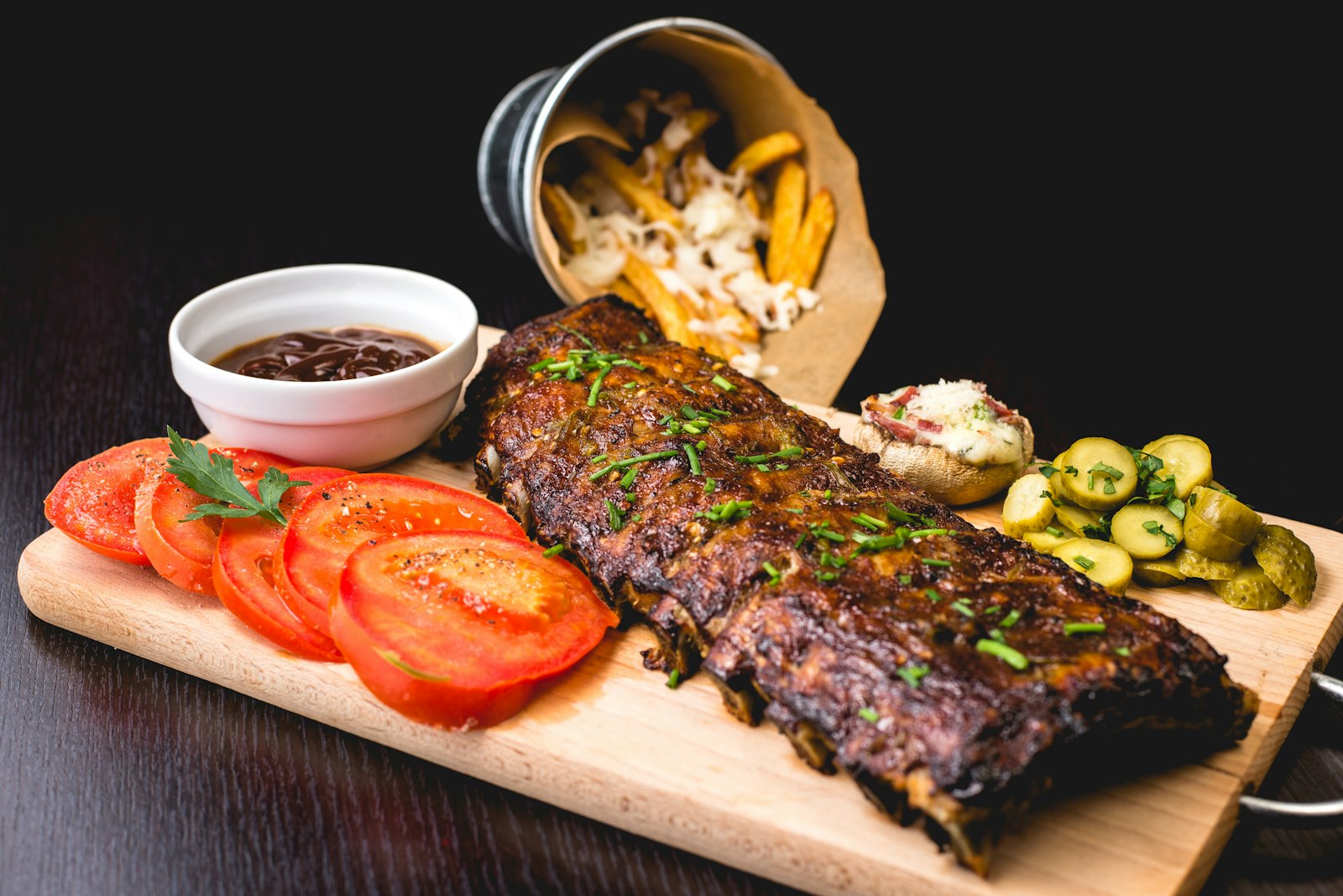
There are dishes that feed you, and there are dishes that tell you where you came from. Ropa vieja — literally "old clothes" — is both. It is Cuba's unofficial national dish, a slow-braised tangle of beef, peppers, onions, tomato and wine that shreds into something that genuinely looks like a pile of ragged fabric. And when it's done right, it is one of the most deeply satisfying plates of food on earth.
This is the version we make at home — the one we've refined over hundreds of Sunday afternoons in Miami kitchens with the radio on and the windows open. It isn't fussy, but it is patient. Give it the time it asks for and it will reward you with something honest and unforgettable.
A quick history: from Sephardic Spain to Havana
Ropa vieja's origins trace back to the Sephardic Jewish communities of medieval Spain, particularly the Canary Islands, where cooks stretched leftover braised meat by shredding it and re-simmering it with vegetables — a frugal, flavor-forward solution that honored Sabbath prohibitions on cooking. Spanish colonists brought the technique to the Caribbean, where it took root in Cuba and evolved into something distinctly its own.
The Cuban version leans harder into the sofrito — that holy trinity of onion, bell pepper and garlic bloomed slowly in olive oil — and adds the warmth of cumin, bay leaf and a splash of dry white wine. In Havana's paladares and Miami's Calle Ocho diners, ropa vieja became more than a way to use up leftovers. It became identity on a plate.
Flank steak vs. skirt steak: which cut to choose
The classic cut is falda — flank steak. Its long, parallel muscle fibers are exactly what you want for shredding; after a slow braise they pull apart into those signature strands. Skirt steak will also work and arguably has more marbled flavor, though the fibers are shorter and you'll end up with a slightly less dramatic shred. Avoid chuck roast here — it's a fine cut for stew, but you lose the signature texture that makes ropa vieja what it is.
Look for a flank steak that's evenly thick, roughly two pounds, with a deep red color. If your butcher only has skirt, no harm done. If all you can find is a thin London broil, buy two of them. Whatever you do, do not substitute ground beef or stew meat and call it ropa vieja. It won't be.
The sofrito is the whole game
If you take one thing from this article, let it be this: the sofrito is not a prep step. It is the dish. Spend fifteen patient minutes here and everything downstream gets better. Dice your onions and peppers evenly, use good olive oil, keep the heat on medium, and let the vegetables slump and sweeten before the garlic goes in. You're not frying — you're coaxing.
A proper Cuban sofrito smells like vacation. When the onions turn translucent, the peppers soften, and the garlic hits the pan and perfumes the kitchen, you've built the foundation. Everything that follows is just layering.
Classic Cuban Ropa Vieja
Ingredients
- 2 lb flank steak, trimmed
- 1 large yellow onion, halved and thinly sliced
- 1 green bell pepper, cored and sliced into thin strips
- 1 red bell pepper, cored and sliced into thin strips
- 4 cloves garlic, minced
- 1 (8 oz) can tomato sauce
- 2 tbsp tomato paste
- 1/2 cup dry white wine
- 1 cup low-sodium beef broth (plus more as needed)
- 1/4 cup pimento-stuffed green olives, roughly chopped, plus 2 tbsp of their brine
- 1/4 cup olive oil, divided
- 1 tsp ground cumin
- 1 tsp dried oregano
- 1 tsp smoked paprika
- 2 bay leaves
- 1 tbsp red wine vinegar
- Kosher salt and freshly ground black pepper
- Fresh cilantro or parsley, to finish
Instructions
- Pat the flank steak dry and season generously with salt and pepper on both sides. Cut it into 3 or 4 large pieces so it fits your pot.
- Heat 2 tablespoons olive oil in a heavy Dutch oven over medium-high heat. Sear the beef hard on both sides until a deep brown crust forms, about 4 minutes per side. Transfer to a plate.
- Reduce heat to medium. Add the remaining 2 tablespoons olive oil along with the onion and both bell peppers. Cook, stirring occasionally, until the vegetables are soft and beginning to caramelize, 10–12 minutes. Add the garlic, cumin, oregano and smoked paprika and cook 1 minute more until fragrant.
- Stir in the tomato paste and cook for 2 minutes, letting it darken slightly. Pour in the white wine and scrape up any browned bits from the bottom of the pot. Let it reduce by half.
- Add the tomato sauce, beef broth, bay leaves and vinegar. Return the seared beef and any resting juices to the pot. The liquid should come about two-thirds of the way up the meat; add a splash more broth if needed.
- Bring to a gentle simmer, then cover and reduce heat to low. Braise for 2 to 2.5 hours, turning the beef once halfway through, until it shreds easily with a fork.
- Transfer the beef to a cutting board. Using two forks, shred it with the grain into long, ragged strands. Return the shredded meat to the pot along with the olives and brine. Simmer uncovered for 15–20 minutes to let the sauce thicken and the flavors meld.
- Taste and adjust salt. Finish with chopped cilantro or parsley. Serve over white rice with black beans and sweet fried plantains.
Slow braise or pressure cooker?
A low oven or stovetop braise is the traditional path, and it builds the deepest flavor. Two and a half hours of gentle simmering gives the connective tissue time to melt, the sofrito time to marry with the meat, and the sauce time to reduce into something glossy.
That said, a pressure cooker or Instant Pot can get you there in about 45 minutes under high pressure, and the result is genuinely excellent. The one thing you lose is the uncovered reduction at the end — so after releasing pressure, remove the lid, shred the beef, and let everything bubble down on the sauté setting for 10–15 minutes before serving. Non-negotiable.
Ropa vieja is a dish that tastes like it was cooked by someone who loves you. Which is why it almost always is.
What to serve with it
A proper Cuban plate is a study in contrast: the richness of the beef, the earthiness of black beans, the clean neutrality of white rice, the sweetness of ripe plantains. We call it moros y cristianos when the beans and rice are cooked together, or simply arroz blanco con frijoles negros when they're served separately. Either works. Add a few maduros — sweet fried plantains — and you have a plate that would make any abuela nod in approval.
A bright, acidic side helps cut the richness. A simple avocado salad with lime and red onion is traditional and perfect. Pair the meal with a cold Cristal or Hatuey beer, or lean in all the way with a proper Cuban mojito.
Make-ahead, storage and leftovers
Ropa vieja is one of those rare dishes that gets better overnight. The sauce thickens, the meat absorbs more flavor, and the whole thing deepens in a way that fresh-from-the-pot can't quite match. Make it a day ahead if you can. Refrigerated, it keeps beautifully for four days; frozen, it holds for three months.
Leftovers make excellent empanada filling, a killer stuffing for a baked sweet potato, or — a Miami lunch-counter classic — a ropa vieja sandwich on pressed Cuban bread with a smear of mustard. You can thank us later.
Frequently Asked Questions
Can I make ropa vieja in a slow cooker?
Yes. Sear the beef and build the sofrito on the stove, then transfer everything to a slow cooker and cook on low for 7–8 hours or on high for about 4 hours. Shred the meat, return it to the pot, and let it bubble on high uncovered for 20 minutes to reduce.
Is ropa vieja spicy?
Traditional Cuban ropa vieja is not spicy — it's savory and warm, with cumin and smoked paprika providing depth rather than heat. If you want a little kick, add a pinch of red pepper flakes with the garlic, but don't let it overpower the dish.
Can I use beef chuck instead of flank?
You can, but you'll lose the signature long-strand shred that defines ropa vieja. Chuck falls apart into chunks; flank pulls into ribbons. If flank is unavailable, skirt steak is your best substitute.
Keep reading
Related: The Real Cuban Sandwich: What Belongs and What Doesn't · A Walking Food Guide to Little Havana